
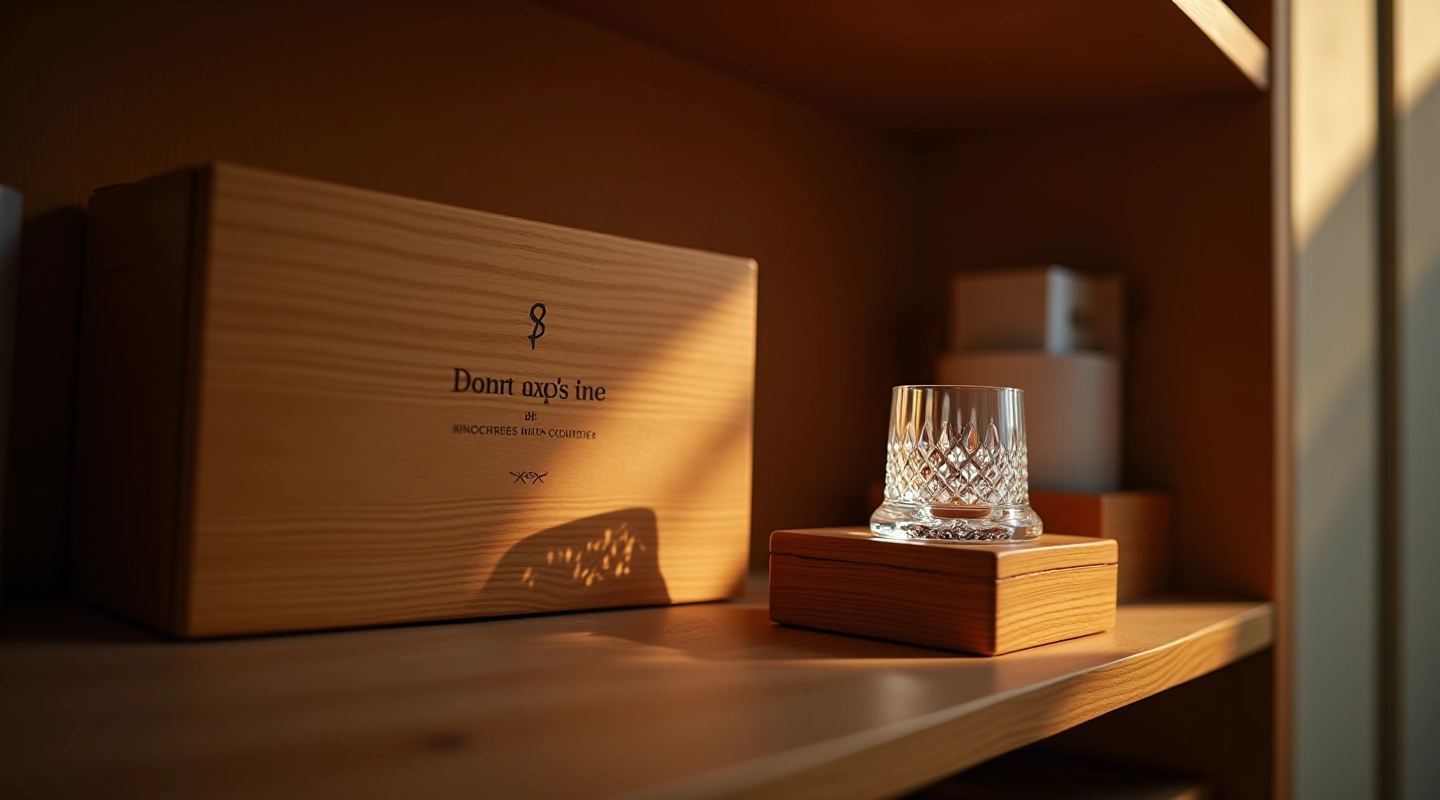
Choosing Between Wooden Boxes and Crystal Sets
A practical comparison of the two main gift options. We'll break down durability, cost, and when each works best for different occasions.
Discover three centuries of tradition and artistry that makes these gifts truly special
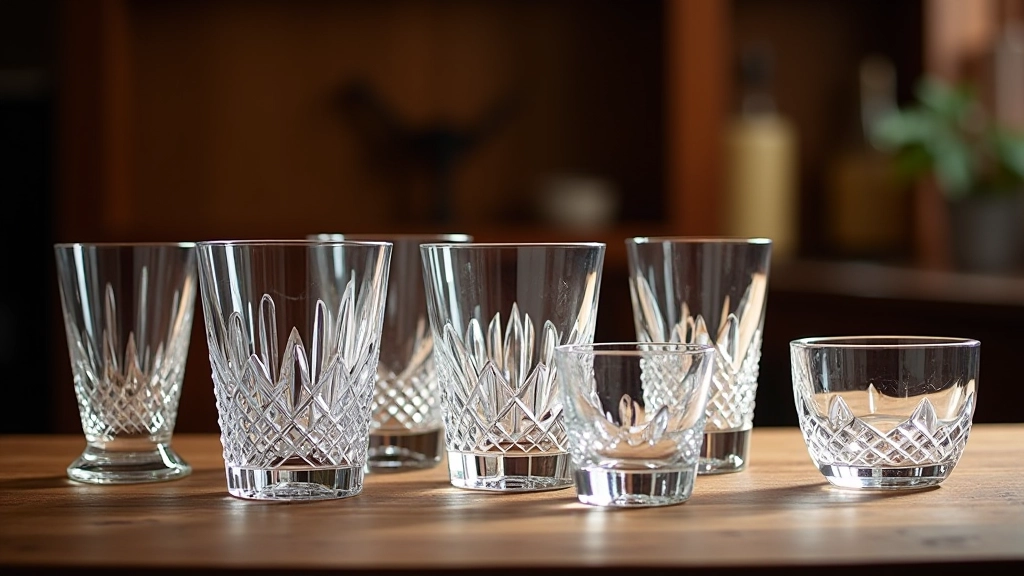
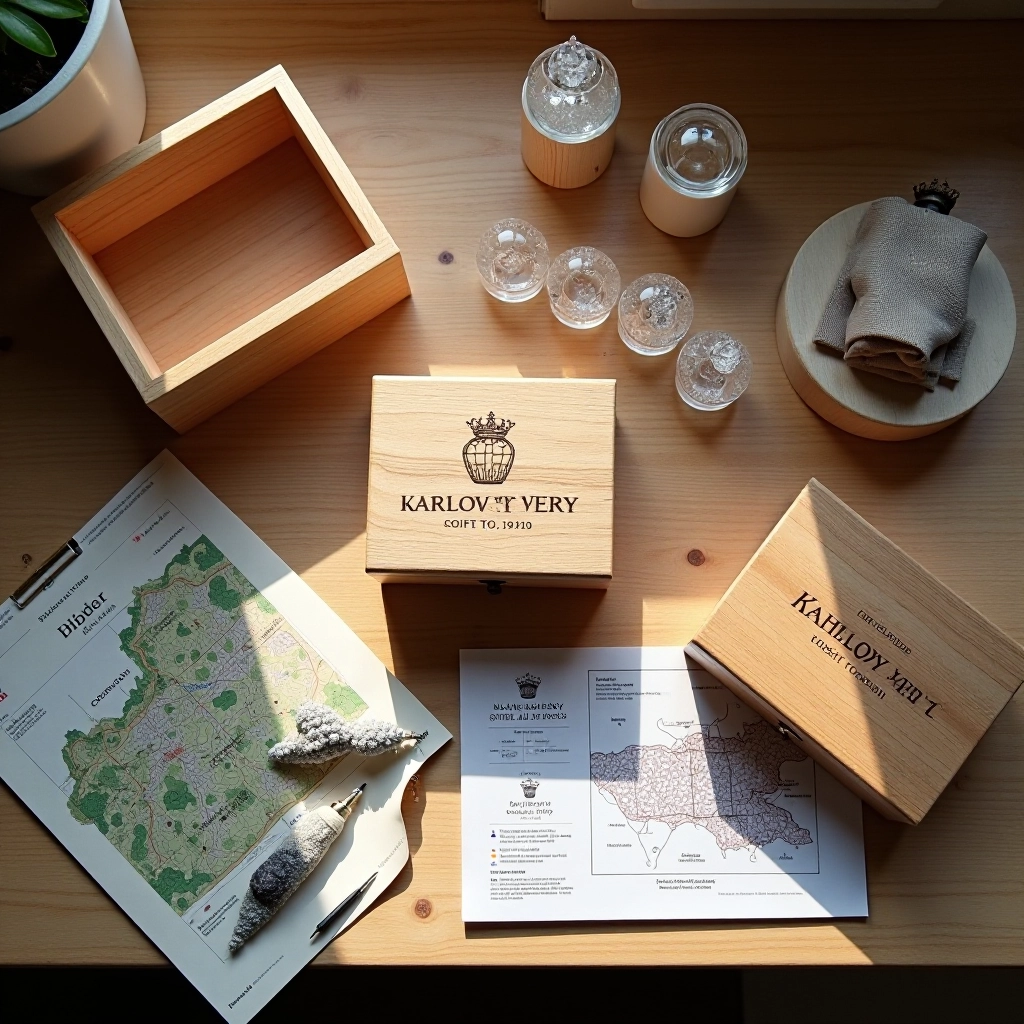
When you choose a Karlovy Vary crystal gift, you're not just giving something beautiful. You're passing along a piece of history. The region has been crafting crystal for over 300 years, and that tradition shows in every piece. The techniques haven't changed much since the 1700s — but they've been perfected.
Understanding where your gift comes from changes how it feels. It's the difference between handing someone a nice object and sharing something with real meaning. That's what we'll explore here.
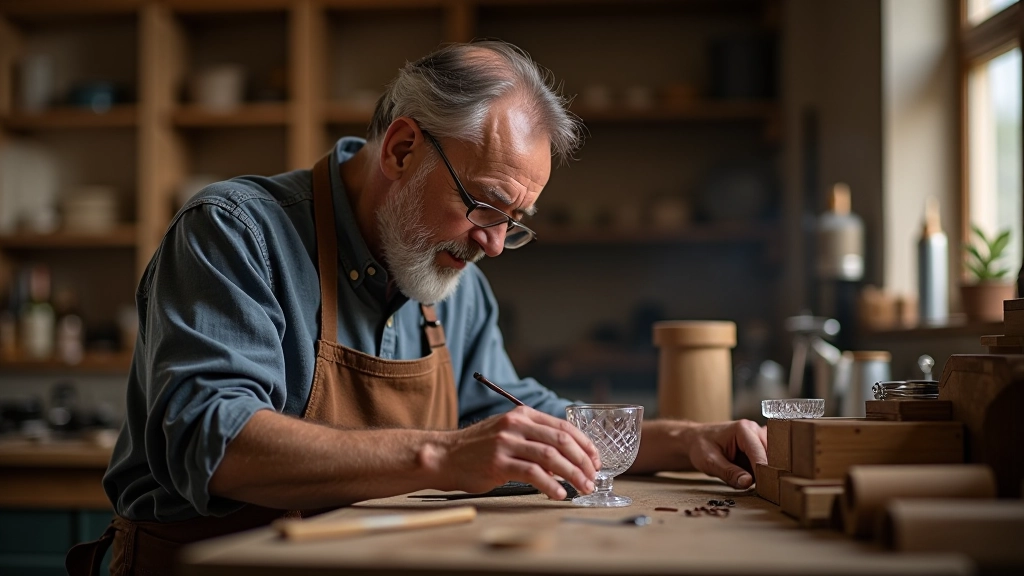
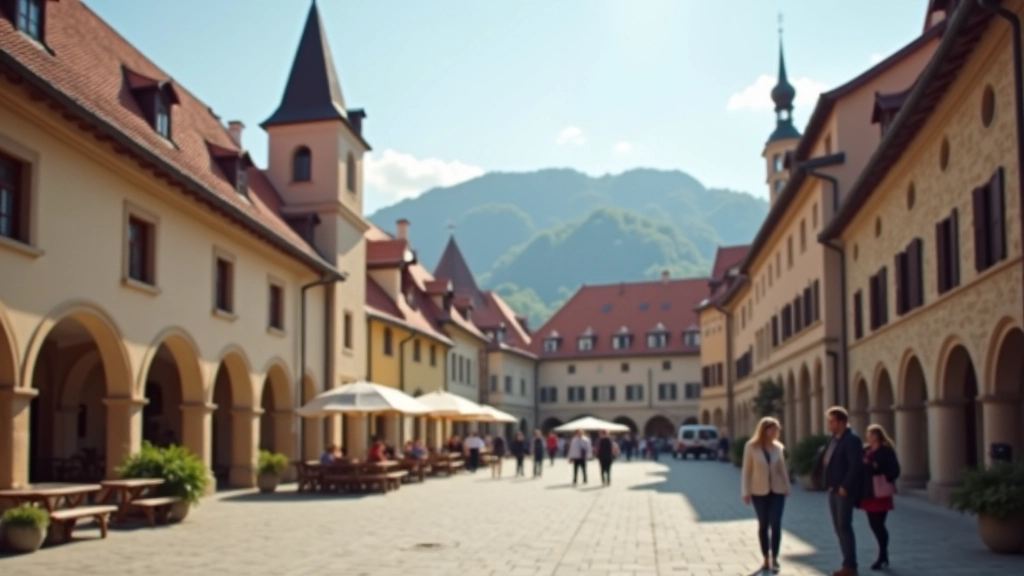
The story starts in 1711. A glassblower named Johann Riedel arrived in what was then Carlsbad (now Karlovy Vary) and noticed something special about the local sand. It was perfect for crystal. The mineral composition made glass clearer, stronger, and more brilliant than what other regions could produce.
Within decades, the entire region had shifted to crystal production. Workshops sprouted up. Families learned the trade, passed it down to their children, then their grandchildren. By the 1800s, Karlovy Vary crystal was famous across Europe. Royalty wanted it. Nobles collected it. That reputation hasn't faded.
The raw material — Bohemian sand with its unique mineral content — remains the foundation of quality. It's part of why genuine Karlovy Vary crystal still stands apart today.
The process starts with raw materials. Silica sand, potash, and lead oxide are mixed together. In traditional workshops, that mixture goes into furnaces that run continuously — they're never completely shut down, kept at around 1700 degrees Celsius. The heat turns everything into molten glass.
Here's where skill matters. A craftsman uses a blowpipe to gather molten crystal and shape it by hand. They'll blow air into it, rotate it, use tools to form the basic shape. Then comes the cooling stage — too fast and the piece cracks, too slow and it becomes brittle. Temperature control is critical.
The real artistry happens after. That's when the engraving begins. Hand-cutting creates patterns and designs using copper wheels and diamond tools. Each cut requires steady hands and years of practice. A single wine glass might take 3-4 hours to cut properly.
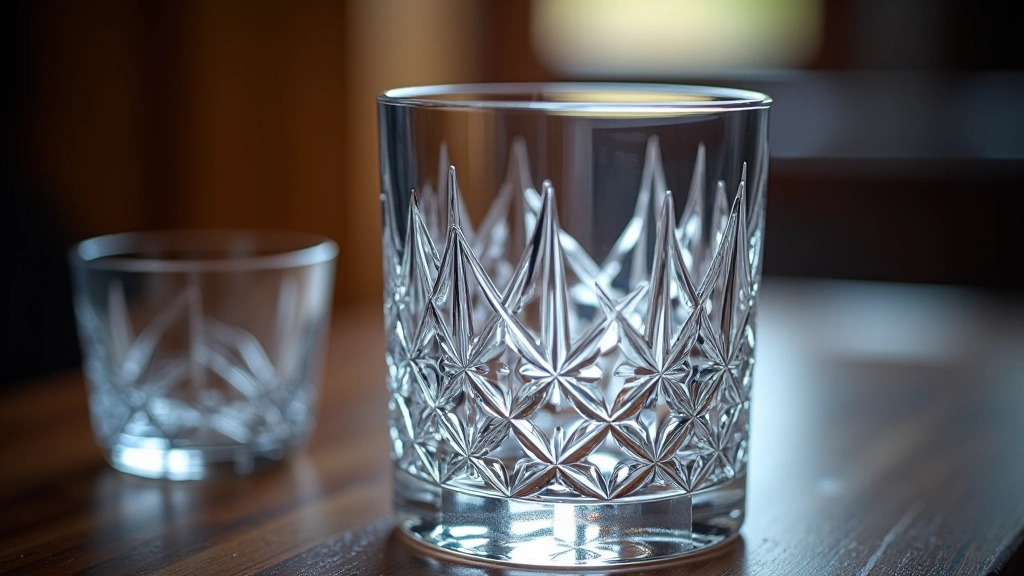
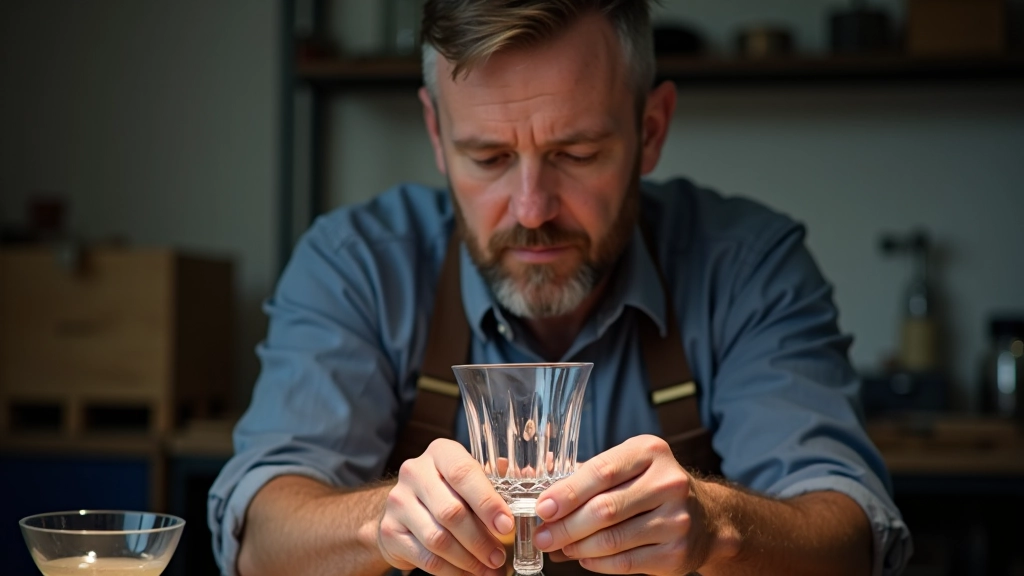
Lead content is one factor. Genuine Karlovy Vary crystal contains 24% lead oxide minimum — sometimes more. That lead gives the crystal its weight, its sparkle, and its ring. Hold a piece and it feels substantial. Tap it gently and it has a clear, bell-like sound.
The clarity is noticeable too. You won't see bubbles or cloudiness. Light passes through it without distortion. That's the result of careful material selection and precise temperature control during production. Not every crystal maker gets this right.
Durability matters when you're giving a gift. You want something that'll last generations. Karlovy Vary crystal is designed for that. It's less prone to clouding over time. It resists scratches better than cheaper alternatives. And if you engrave it properly — which we'll cover — those details stay sharp and clear for decades.
Deepen your knowledge about personalised engraved gifts
A practical comparison of the two main gift options. We'll break down durability, cost, and when each works best for different occasions.
Different engraving methods produce different results. We explain laser, traditional hand-cutting, and sandblast techniques so you know what to expect.
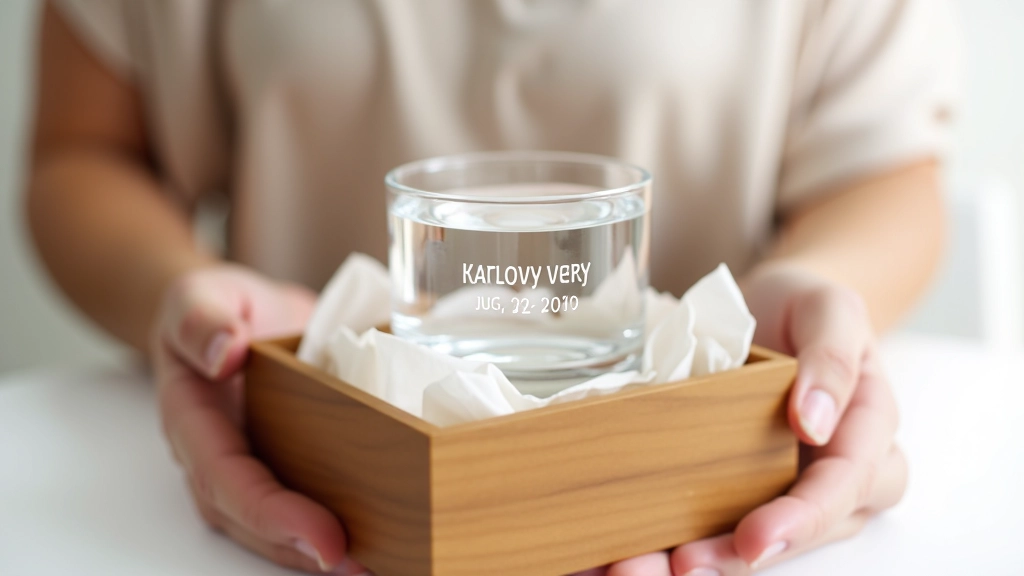
From anniversaries to corporate gifts, discover what messages and designs work best. Real examples and practical tips for getting it right.
Understanding the heritage isn't just trivia. It changes the experience of giving. When you hand someone a piece of Karlovy Vary crystal, you can tell them it's been made the same way for 300 years. That their gift connects them to centuries of craftsmanship. That it'll outlast trends because it's built to last.
The techniques haven't changed much because they work. The materials come from the same region because they're the best. The artisans are trained for years because precision matters. All of that adds up to something special — something that feels different the moment you hold it.
That's what makes it worth giving.
This article is provided for educational and informational purposes. It's designed to help you understand the history and craftsmanship of Karlovy Vary crystal so you can make informed decisions when selecting a personalised gift. The information presented reflects established historical records and traditional crystal-making practices. Individual products may vary in their specifications and quality. We recommend verifying product details with the manufacturer or retailer before making a purchase. This content is not intended as professional advice — consult with gift specialists or crystal experts if you need specific recommendations for your situation.