
Choosing Between Wooden Boxes and Crystal Sets
A practical comparison of the two main gift options. We'll break down durability, aesthetics, and which works best for different occasions.
Read MoreDifferent engraving methods produce different results. We explain laser, traditional hand-engraving, and chemical etching — and what each means for your gift.
By
Written by the primfield Editorial Team, focused on honest, practical guidance for selecting personalised engraved gifts.
When you're choosing an engraved gift, the method matters more than you'd think. It's not just about getting text on a surface — it's about durability, aesthetics, and how the finished piece will look in 10, 20, or 30 years.
Each technique leaves a different mark. Some methods are fast and precise. Others take longer but create something more artisanal. Understanding the differences helps you make the right choice for your specific gift.
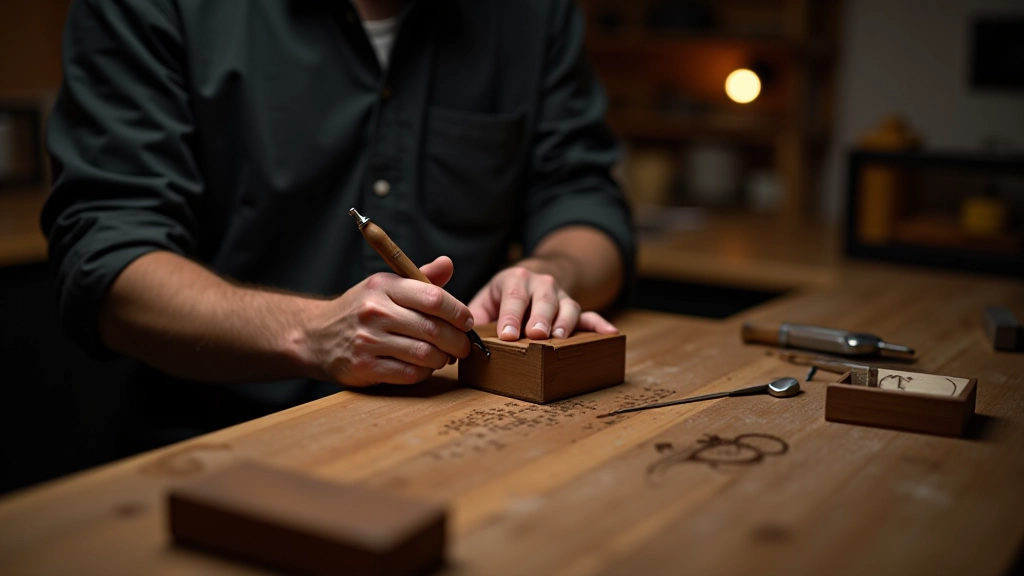
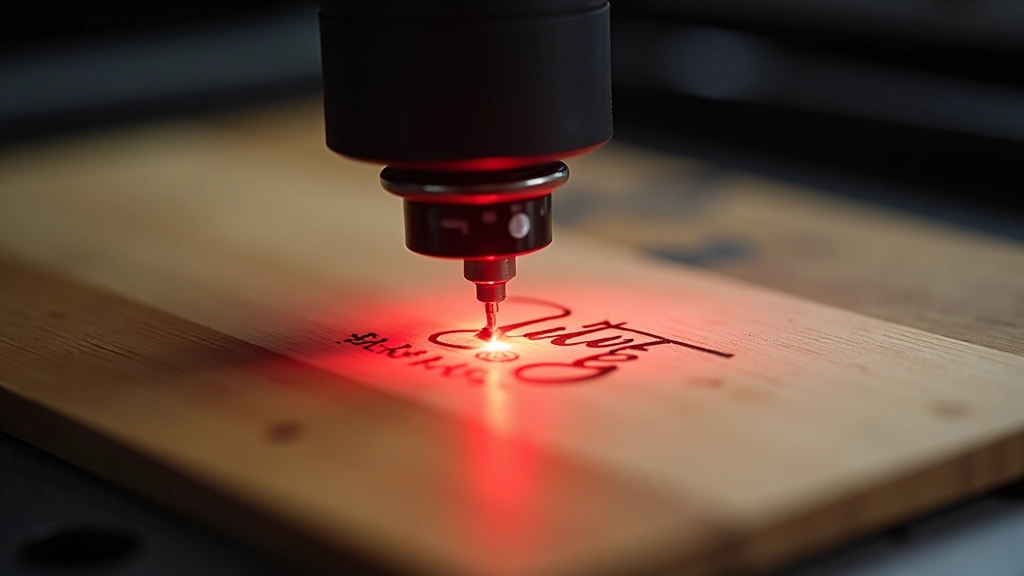
Laser engraving is the most common method today. It's fast, precise, and works on almost anything — wood, crystal, leather, metal. The laser burns or vaporizes the surface, creating a mark that won't fade or wear away.
Here's what makes it popular: You can engrave intricate designs, fine typography, and even photographs. The setup time is minimal. A wooden box takes minutes, not hours. And the results are consistent — every piece looks identical.
The trade-off? Some people find laser marks slightly less tactile than hand-engraving. You can see and feel the burn mark, but it doesn't have the same depth or character. On crystal, the effect is more subtle — more like a frosted appearance than a cut.
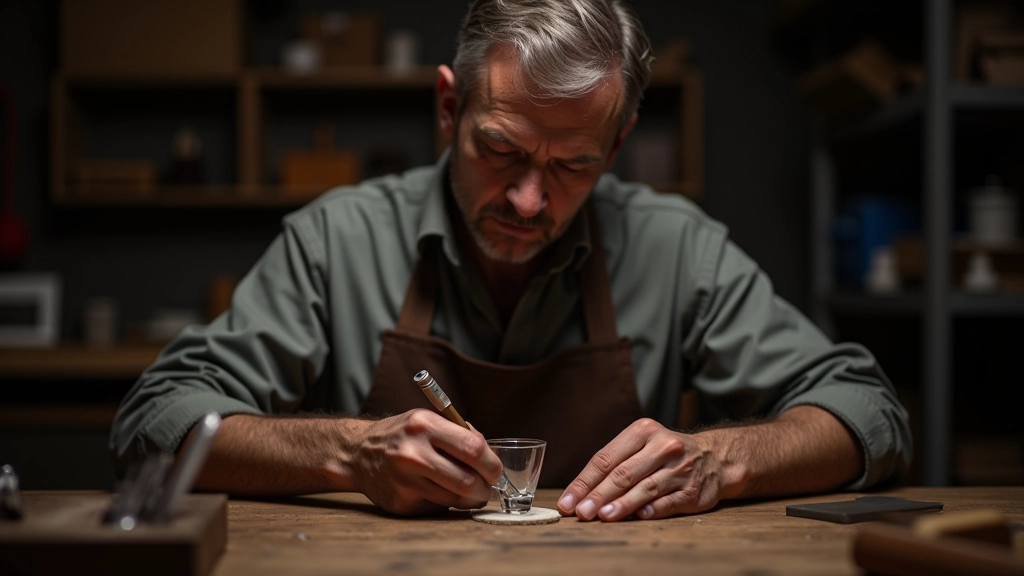
Traditional hand-engraving is the method that's been used for centuries. An engraver uses handheld tools — burins, gravers — to physically cut or chip away at the surface. It's labour-intensive. It requires real skill.
But it creates something different. Hand-engraved pieces have depth. You can run your finger over the text and feel it. The marks are unique — no two pieces are identical because each one is done by hand. That variation is actually part of the charm.
Hand-engraving is particularly striking on crystal. The cuts catch light differently than laser marks. It's more dramatic, more luxurious. On wood, the effect is also stronger — you get cleaner lines and more defined edges.
30 minutes to 2 hours per item
Deeply cut, very noticeable
Each piece unique
A practical comparison of the two main gift options. We'll break down durability, aesthetics, and which works best for different occasions.
Read More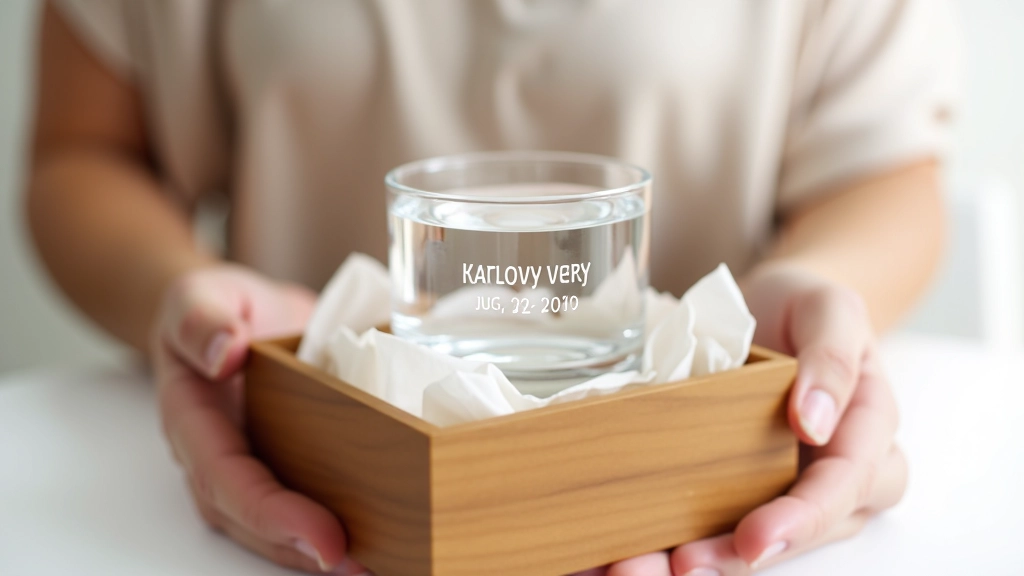
From anniversaries to corporate gifts, discover what messages and designs work best. Real examples and ideas you can actually use.
Read More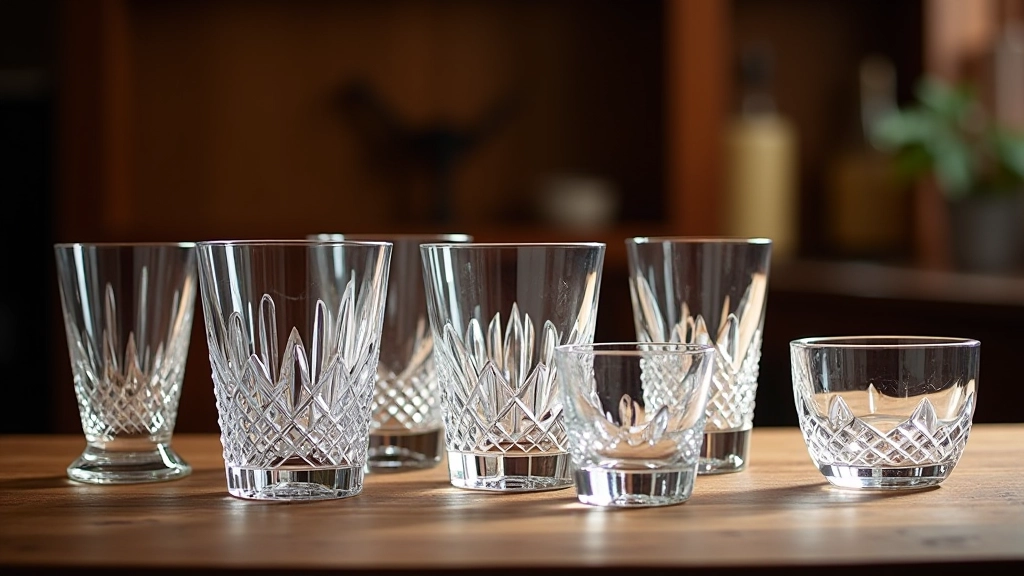
Learn about the region's 300-year tradition of crystal making. Understanding the history helps you appreciate the quality.
Read More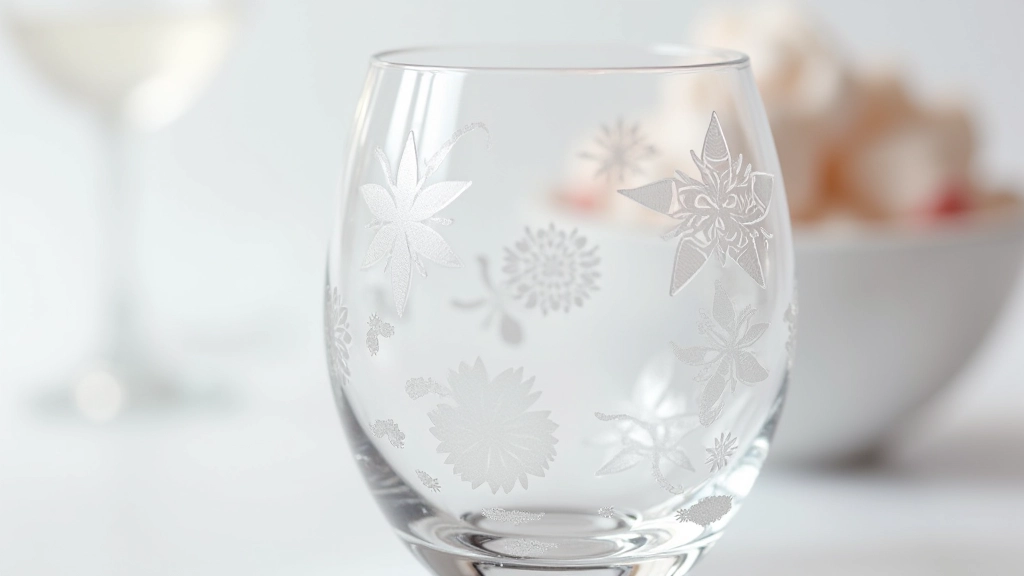
Chemical etching (or acid etching) is less common but produces a distinctive look. A protective coating is applied to the surface, then acid eats away the unprotected areas. What you get is a frosted or matte effect rather than a cut mark.
It's particularly beautiful on crystal. The etched areas diffuse light differently, creating a subtle, sophisticated appearance. It won't catch your finger the way hand-engraving does, but it's definitely there when you look at it.
The downsides? It's slower than laser engraving. There's more setup involved. And it doesn't work as well on all materials — it's best suited to glass and crystal, less effective on wood or metal.
Crystal and glass pieces where you want a refined, frosted aesthetic rather than dramatic cuts
Matte or frosted finish rather than sharp cuts — elegant and understated
Permanent — won't wear away with time or cleaning
So which should you choose? It depends on what you're going for and what you value in the finished piece.
Laser engraving wins on speed and precision. You'll get clean, detailed results quickly. It's ideal if you want intricate designs or photographs. Hand-engraving wins on character and depth — it's the choice if you want something that feels handcrafted and unique. Chemical etching is the middle ground: sophisticated, permanent, and distinctly elegant on crystal.
The good news? You don't have to guess. When you're commissioning a gift, ask which methods the maker offers. Most experienced craftspeople will recommend the best technique for your specific item and design. They'll show you samples. You'll see the difference yourself.
And remember: whichever method you choose, what matters most is that the message is clear and the craftsmanship is solid. A well-engraved gift becomes something people treasure. It's not just a thing with text on it — it's a keepsake that'll be around for decades.
This article is informational and educational in nature. The information provided describes general engraving techniques and their characteristics. Actual results may vary depending on the specific materials used, the skill of the engraver, and the quality of the equipment. Always consult with a qualified engraver or craftsperson before commissioning a gift to discuss which method best suits your needs and materials. This guide doesn't constitute professional advice — it's designed to help you understand your options.